
Holle A2 Formula Stage 1 (400g)
Price range: $32.99 through $539.80Select options
This product has multiple variants. The options may be chosen on the product page
Welcome 🤍 10% OFF with FIRSTORDER + 5% loyalty code in your first box
Welcome 🤍 10% OFF with FIRSTORDER + 5% loyalty code in your first box
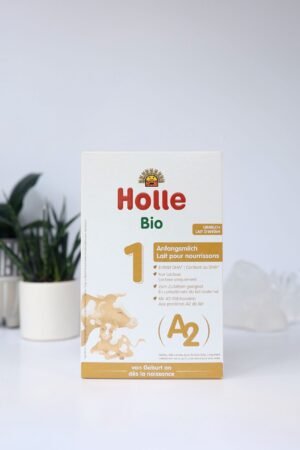
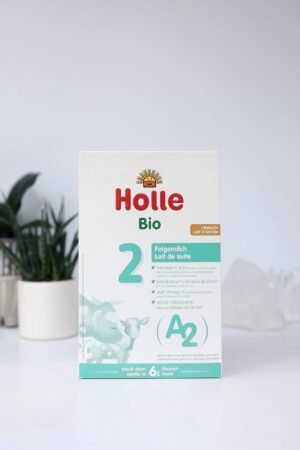
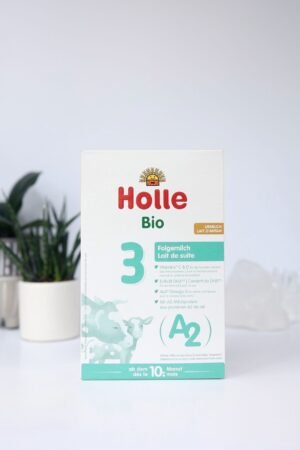
Holle A2 formula represents the next evolution in premium organic infant nutrition — combining Holle’s legendary Demeter biodynamic farming standards with an exclusively A2 beta-casein protein source, creating what is arguably the most digestively gentle, nutritionally sophisticated cow milk formula available anywhere in the world today.
Most cow’s milk — including milk used in conventional and even many organic formulas — contains a mixture of two types of beta-casein protein: A1 and A2. Research increasingly suggests that A1 beta-casein can be harder for some individuals to digest, potentially contributing to bloating, gas, loose stools, and general digestive discomfort. Holle A2 formula eliminates this variable entirely by sourcing milk exclusively from cows that naturally produce only A2 beta-casein protein — the same protein type found in human breast milk, goat milk, and sheep milk.
The result is a formula that delivers all the nutritional power of Holle’s Demeter-certified cow milk range, with a protein profile that is structurally closer to breast milk than any standard cow milk formula — making it an exceptional choice for babies who struggle with standard cow milk formula but don’t necessarily need a goat milk or hypoallergenic alternative.
Though newer to the Holle lineup, parent response has been immediate and emphatic — with Stage 2 and Stage 3 both rated a perfect 5.00/5 and Stage 1 holding a strong 4.79/5 across early verified reviews.
Rated 4.79/5 across 19 verified reviews, Holle A2 Stage 1 is formulated for newborns from birth as a complete breast milk supplement or substitute. It delivers the full nutritional profile required for healthy infant development — organic vegetable oils for essential fatty acids, DHA for brain and visual development, and the complete vitamin and mineral complex mandated by EU infant formula standards — all built on an exclusive A2 beta-casein milk base sourced from Demeter biodynamic certified farms.
For parents whose newborns show signs of digestive sensitivity on standard cow milk formula — excessive gas, fussiness after feeds, uncomfortable stools — but who want to avoid the cost and complexity of hypoallergenic formulas, Holle A2 Stage 1 offers a compelling, evidence-informed middle ground. The A2 protein structure is processed differently in the gut, producing different peptide byproducts during digestion that many infants tolerate significantly better than A1-containing formulas.
Rated a perfect 5.00/5 across 8 verified reviews, Holle A2 Stage 2 continues the A2 protein journey as your baby begins weaning onto solid foods from 6 months. The formula adjusts its nutrient composition to complement a growing, increasingly varied diet — providing the iron, calcium, essential fatty acids, and vitamins that remain critical during this phase of rapid physical and neurological development, even as solid foods begin taking a larger role in daily nutrition.
The transition from Stage 1 to Stage 2 at 6 months is typically smooth for babies already adapted to the A2 protein base, and parents choosing Stage 2 for the first time often find it just as well-tolerated as the earlier stage for babies with digestive sensitivity.
Also rated a perfect 5.00/5, Holle A2 Stage 3 supports increasingly active, food-curious babies from 10 months through their transition toward a predominantly solid food diet. It maintains the premium A2 beta-casein protein foundation alongside an optimized nutrient profile for toddler-stage developmental demands — supporting bone growth, cognitive development, immune function, and sustained energy levels as your baby becomes more mobile and exploratory.
Stage 3 serves as an excellent nutritional bridge for families who want to continue the benefits of the A2 protein approach beyond infancy, without needing to switch to a standard growing-up milk that reverts to conventional A1/A2 mixed protein sources.
The A2 protein concept is not a marketing trend — it is grounded in a growing body of peer-reviewed research. Studies published in leading nutrition and gastroenterology journals have found that A1 beta-casein digestion produces a peptide called beta-casomorphin-7 (BCM-7), which some researchers link to digestive discomfort, delayed gut transit, and inflammatory responses in susceptible individuals. A2-only milk bypasses this entirely, as A2 beta-casein does not produce BCM-7 during digestion.
What makes Holle A2 uniquely compelling is that it layers this protein innovation on top of an already exceptional foundation. The source milk comes exclusively from Demeter biodynamic certified farms — meaning the cows producing this A2 milk live under the most rigorous animal welfare and farming standards in the world. You are not just getting A2 protein. You are getting A2 protein from the best-kept, most ethically raised, most carefully monitored cows in European organic farming.
For parents navigating the difficult middle ground between a baby who struggles on standard formula but doesn’t meet the clinical threshold for a hypoallergenic prescription formula, Holle A2 fills a genuine gap in the market — offering meaningful digestive benefit without the expense, taste challenges, or medical gatekeeping associated with hydrolyzed or amino acid-based alternatives.
Cow’s milk contains two main types of beta-casein protein: A1 and A2. Most modern dairy cows produce a mixture of both. A1 beta-casein, when digested, releases a peptide called BCM-7 (beta-casomorphin-7) which some research associates with digestive discomfort, inflammation, and slowed gut transit. A2 beta-casein does not produce BCM-7 during digestion — its structure is processed differently and more gently by the gut. Holle A2 formula is made exclusively from milk of cows that carry the genetic variant to produce only A2 beta-casein, eliminating the A1 variable entirely.
No. Holle A2 formula is not suitable for babies with confirmed cow’s milk protein allergy (CMPA). CMPA involves an immune response to cow’s milk proteins broadly — both casein and whey — and A2-only milk still contains these proteins. For diagnosed CMPA, an extensively hydrolyzed or amino acid-based formula prescribed by a physician is required. Holle A2 is better positioned for babies with cow’s milk sensitivity or digestive discomfort that does not rise to the level of a confirmed allergy.
Holle A2 may be worth considering if your baby is currently on a standard cow milk formula and showing signs of digestive discomfort — including excessive gas, bloating, unsettled behavior after feeds, inconsistent stools, or general fussiness — without a confirmed diagnosis of CMPA or lactose intolerance. It is also an excellent option for parents who want a structurally more breast-milk-like protein profile from the start. Always discuss formula changes with your pediatrician, particularly if your baby’s symptoms are severe.
Both share the same Demeter biodynamic certification and Holle’s commitment to clean, organic ingredients. The critical difference is the protein source. Standard Holle Cow formula uses milk from cows that produce the typical A1/A2 mixture found in most dairy herds. Holle A2 sources exclusively from cows that produce only A2 beta-casein. Nutritionally, both are complete and EU-compliant. The A2 version is specifically beneficial for babies whose digestive systems respond better to A2-only protein — which mirrors the beta-casein type found in human breast milk.
Yes — and beyond standard organic. Holle A2 carries Demeter biodynamic certification, which is the most stringent organic farming standard in the world, significantly exceeding standard EU organic requirements. The cows producing the A2 milk graze on biodynamic pastures, are never treated with synthetic hormones or routine antibiotics, and are raised under animal welfare conditions that are audited and verified by Demeter’s independent certification body.
Yes. All stages of Holle A2 formula contain DHA (docosahexaenoic acid), in compliance with EU infant formula regulations. DHA is an omega-3 fatty acid critical for infant brain development and visual acuity during the first years of life. Holle sources its DHA from sustainable fish oil.
Both are excellent choices for babies with digestive sensitivity, and both share the A2 protein advantage — goat milk naturally contains predominantly A2 beta-casein. The key differences lie in the overall protein and fat composition. Goat milk has a naturally smaller fat globule size and slightly different whey-to-casein ratio compared to cow milk, which some babies tolerate even better. Holle Goat is also palm-oil-free. For most sensitive babies, either formula is appropriate — Holle A2 Cow is the better starting point if you want to stay close to a cow milk base; Holle Goat is worth considering if your baby continues to show sensitivity even on A2 cow formula.
A gradual transition over 3 to 5 days is always recommended when switching infant formulas — mixing increasing proportions of Holle A2 with your baby’s current formula. This allows the digestive system to adjust to the new protein structure and ingredient profile without unnecessary disruption. Some babies tolerate an immediate switch without issue, but a gradual approach minimizes the risk of temporary digestive upset during the changeover.
Currently, the Holle A2 range begins at Stage 1 (from birth) rather than offering a separate Stage Pre. Stage 1 is fully appropriate for newborns and can serve as a complete nutritional source from birth. If you prefer a lactose-only carbohydrate formula without any starch for a newborn, Holle’s standard Cow Milk Stage Pre remains an excellent option — though it uses conventional A1/A2 mixed protein rather than exclusive A2.
Prepare Holle A2 formula with freshly boiled water cooled to approximately 40–50°C. Follow the scoop measurements on the tin precisely — never concentrate or dilute the formula beyond the recommended ratio. Store unopened tins in a cool, dry location away from direct sunlight. Once opened, seal the tin securely and use within 3 weeks. Prepared formula should be used within 2 hours and any unused portion discarded. Never reheat leftover prepared formula.